Timeless Elegance: Unlocking the Power of Classic Ornamental Style Art
There's a specific kind of visual richness that catches the eye and holds it—a sense of history, craftsmanship, and intricate detail that modern minimalism often sets aside. This is the domain of Classic Ornamental Style Art. It’s not just a pattern; it’s a language of flourishes, filigree, and symmetry that speaks of tradition, luxury, and careful artistry. Whether you're a designer crafting a brand identity, a publisher designing a book cover, or a crafter creating a bespoke invitation, this style offers a depth of character that simpler graphics can't match.
The Visual Language of Ornamental Design
At its core, ornamental art is about decoration with purpose. Think of the intricate scrollwork on a vintage frame, the elegant borders of a royal decree, or the delicate motifs in Art Nouveau metalwork. Classic Ornamental Style Art captures this essence. Its personality is one of refined sophistication and timeless appeal. Visually, it's characterized by flowing curves, balanced symmetry, and a high level of detail that rewards closer inspection. It often carries a sense of weight and importance, making it ideal for projects that need to convey heritage, quality, or a touch of opulence.
This style operates beautifully as a display font or graphic element. Its strength lies in its ability to command attention at larger scales—think headlines, logos, or featured illustrations. When used thoughtfully, it becomes a powerful design asset that elevates a project from ordinary to memorable. The key is understanding its voice: it's formal, artistic, and steeped in a classical aesthetic that contrasts sharply with the clean lines of a sans serif font or the casual flow of a handwritten font.
Where Ornamental Art Truly Shines: Practical Applications
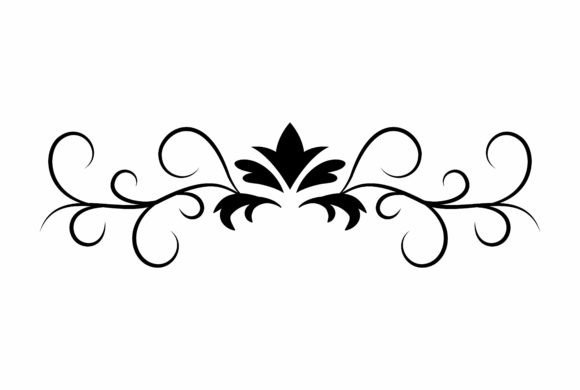
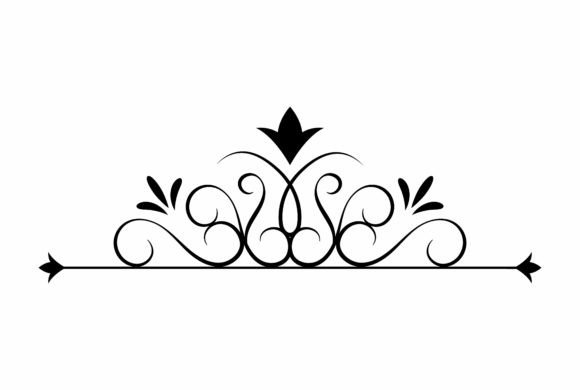
The versatility of a resource like a high-quality black ornament clipart or a premium font in this style is impressive. Its applications span far beyond mere decoration. For brand identity, it can form the cornerstone of a logo for businesses in luxury goods, boutique hospitality, high-end consulting, or artisanal products. The intricate details communicate a commitment to quality and an appreciation for tradition.
In editorial design and packaging design, ornamental elements create striking covers, chapter headings, or product labels that stand out on a shelf or in a gallery. They are perfect for invitation cards, greeting cards, and business cards where a personal, crafted touch is paramount. For web design and social media graphics, these elements can be used as dividers, accent illustrations, or background textures to add visual interest and break up monotonous layouts. The digital craft community also finds immense value in these graphics for Cricut projects, scrapbooking, and creating custom stickers or print on demand merchandise.
Integrating Ornamental Elements with Modern Typography
One of the most common questions is how to pair such an elaborate style with other typefaces. The answer lies in contrast and balance. A classic ornamental serif font or graphic pairs exceptionally well with a clean, neutral sans serif font for body text. This creates a clear visual hierarchy: the ornamental element grabs attention for key information, while the simpler font ensures readability for longer passages.
For example, a wedding invitation might feature an ornamental monogram at the top, followed by event details set in a elegant serif like Garamond or a modern sans serif like Montserrat. This combination maintains elegance without sacrificing clarity. When evaluating a font pairing, always test it in context. See how the ornamental style interacts with your secondary typeface at various sizes. Does it overwhelm? Does it get lost? The goal is a harmonious relationship where each element supports the other.
Making the Right Choice: Selection and Licensing
Not all ornamental designs are created equal. When selecting a creative font or graphic set, consider its technical quality. A file provided at 4936x3319px (300 dpi) ensures it will print crisply on paper without pixelation—a non-negotiable for professional print work. Look for versatility in file formats. A package that includes PNG, SVG, EPS, JPG, AI, and DXF files offers incredible flexibility. An SVG or DXF is perfect for cutting machines, while an AI or EPS file allows for endless customization in Illustrator or Photoshop. This makes the asset truly multi-purpose for both digital and physical projects.
Always review the commercial licensing terms. For entrepreneurs and small business owners, understanding whether the license covers logo use, merchandise sales, or client work is crucial. A reputable source will provide clear, upfront licensing information. Before committing, think critically about your project's needs. Is this style appropriate for your audience? Does it align with your brand's personality? Run a small test—place the ornamental element in a mockup of your design to see how it feels. Does it enhance the message or distract from it?
Ultimately, Classic Ornamental Style Art is a powerful tool in a designer's arsenal. It’s a bridge to the past that can bring a unique depth and character to contemporary projects. By understanding its strengths, applying it with intention, and pairing it wisely, you can create work that is not only beautiful but also rich with meaning and professionalism. It’s an investment in a design asset that, when used well, will continue to deliver value across countless creative endeavors.